Tokyo
A very large city that runs on exact timing and on introductions. The hotels that matter occupy the upper floors of towers in Marunouchi, Otemachi and Roppongi, many of the best counters seat fewer than ten and are booked through a hotel or a regular, and gardens, temples and workshops open by arrangement.
30 recommendations in six sections.
Stay
The best hotel suites in Tokyo
The room, not the hotel: in each hotel that matters, the suite to ask for.
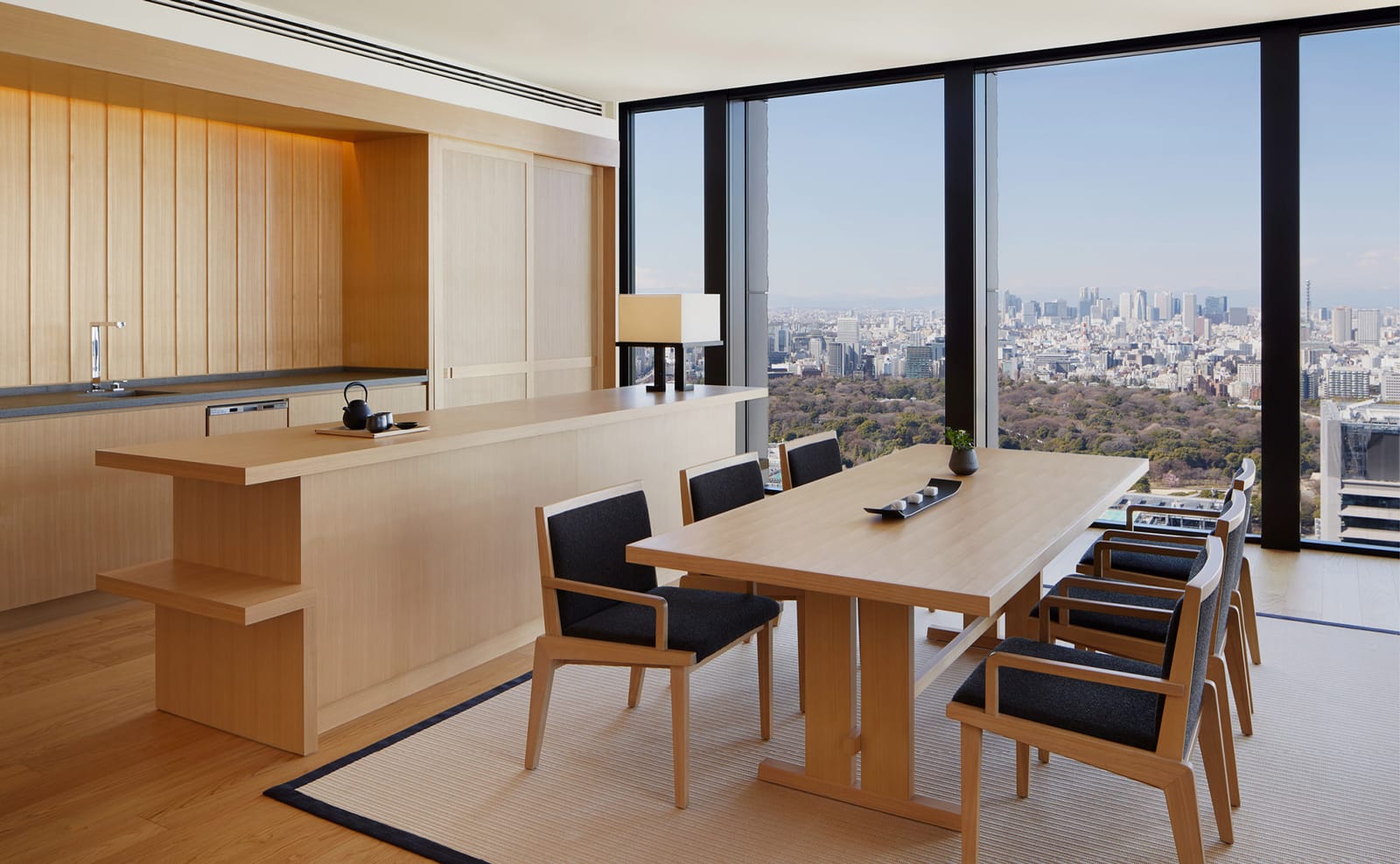
The Aman Suite at Aman Tokyo
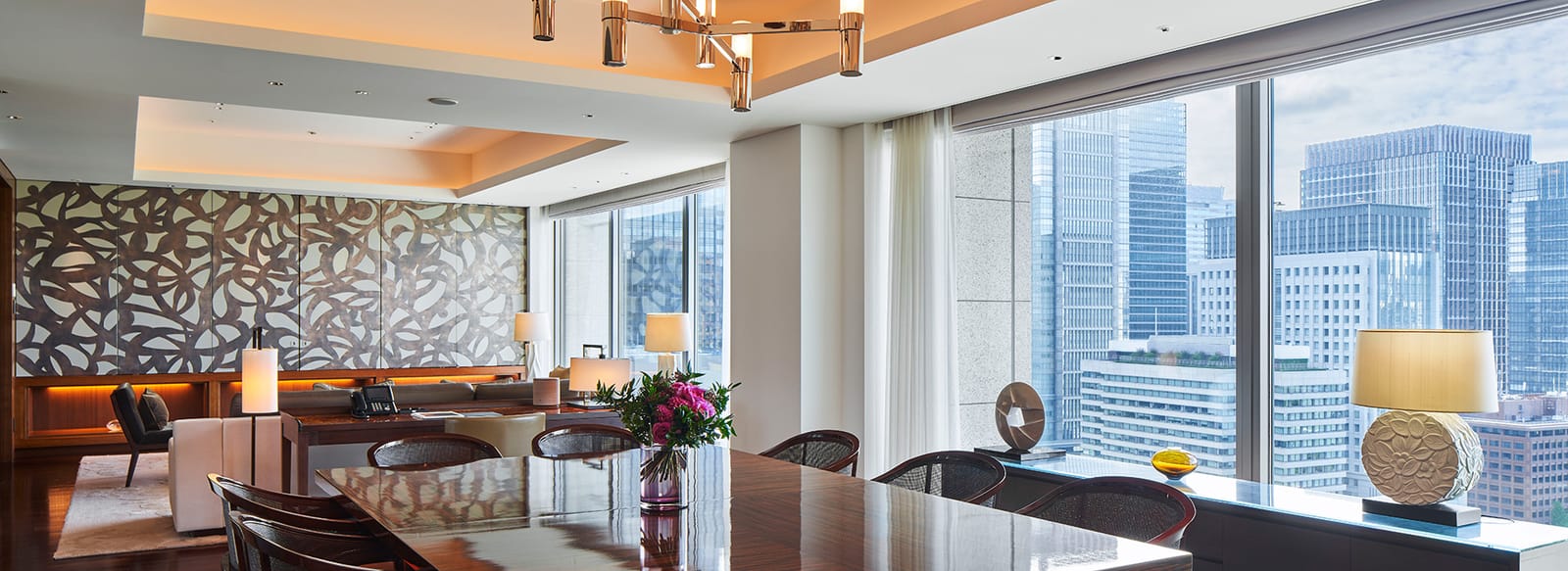
The largest suite at Aman Tokyo, 157 m² on the northwest corner of the Otemachi Tower, with a living room and dining table for six looking over the Imperial Palace gardens towards Shinjuku and Mount Fuji.
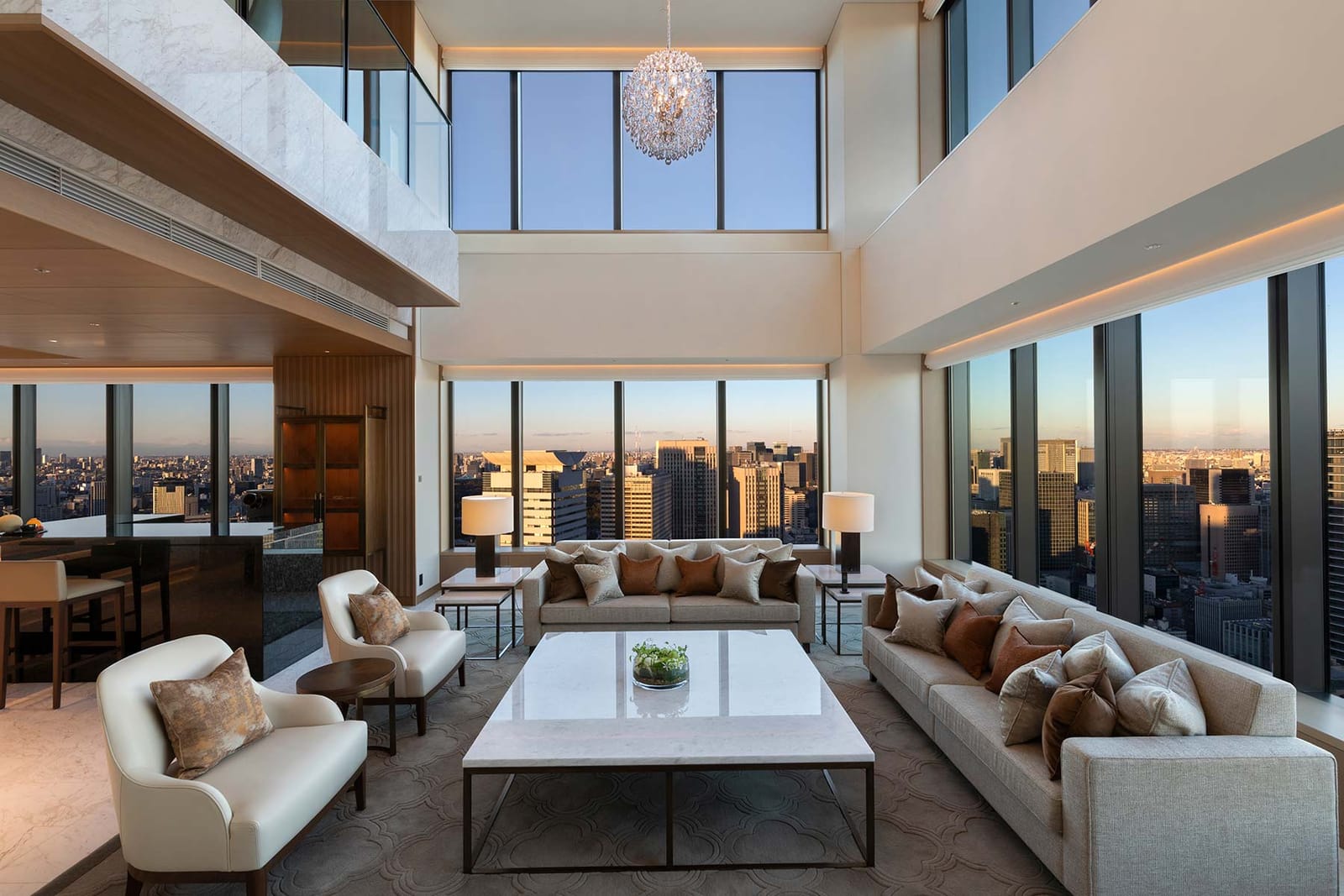
The Imperial Suite at The Okura Tokyo
A 730 m² suite with three bedrooms over the top two floors of the Okura Prestige Tower, with an atrium living room, a dining area, a home theatre, a workout room and dry and steam saunas.
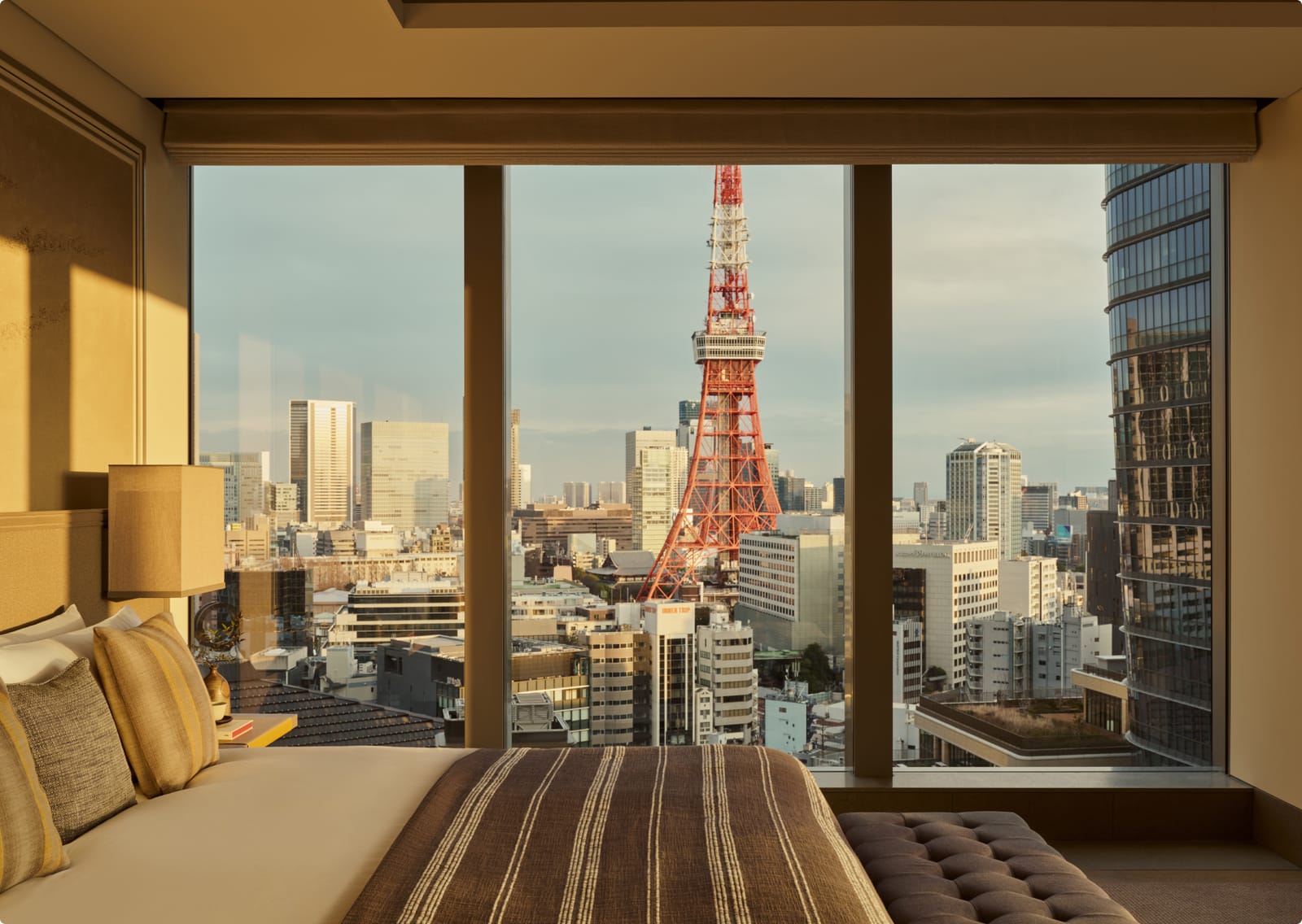
The Janu Suite at Janu Tokyo
The largest suite at Janu Tokyo, 284 m² in Azabudai Hills with two balconies facing Tokyo Tower, a library, a full kitchen and a dining table for six, extendable to four bedrooms and 519 m².
The Palace Suite at Palace Hotel Tokyo
The hotel's largest suite, 210 to 250 m² on the 18th floor over Wadakura Fountain Park and the Imperial Palace Plaza, with a formal dining table, a service kitchen with its own entrance and a second bedroom that connects on request.
The Presidential Suite at Mandarin Oriental, Tokyo
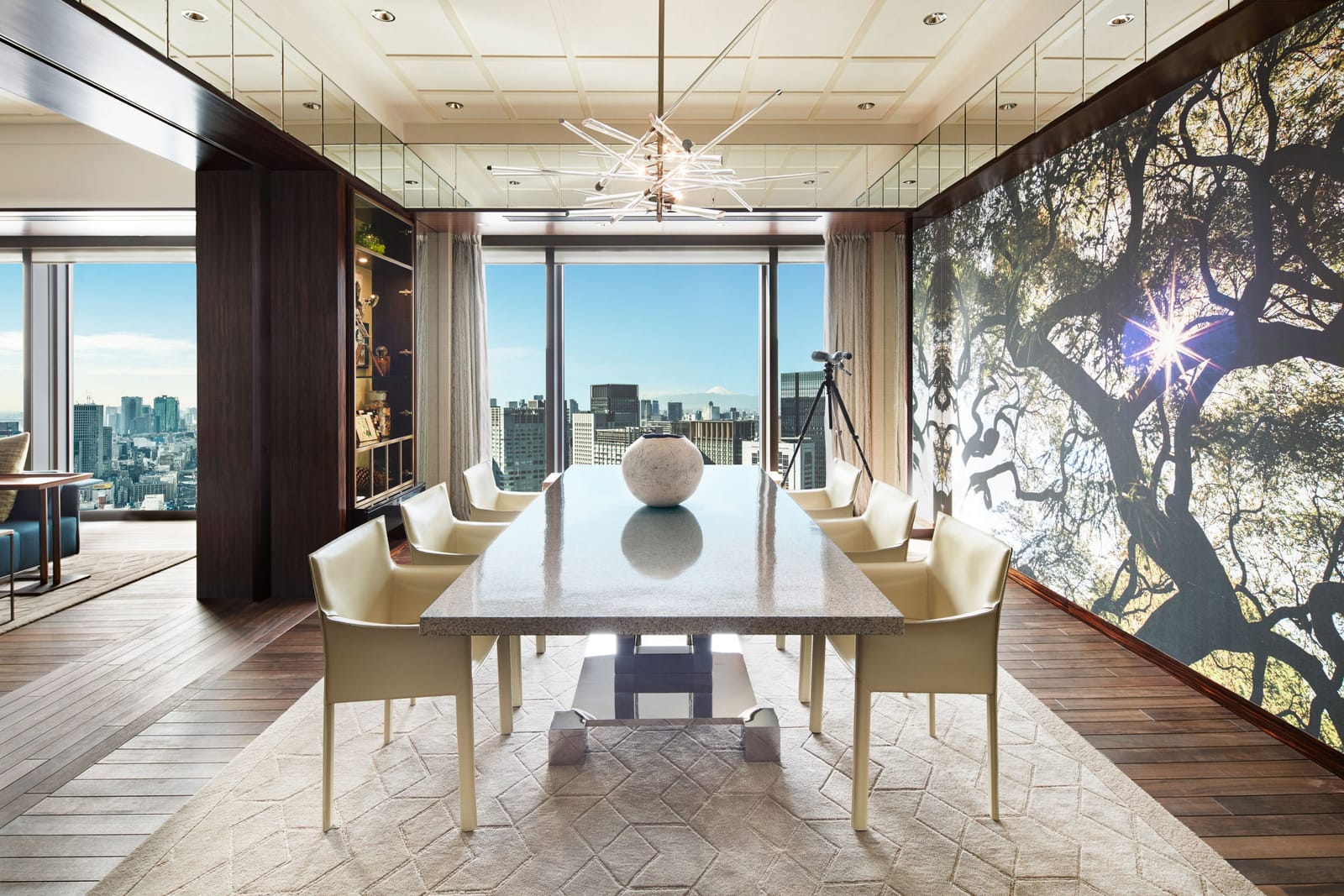
A suite of 250 m² for up to four on the 36th floor of Mandarin Oriental, Tokyo, with a dining room for eight, a study and a personal butler, facing Mount Fuji and Tokyo Bay.
Dine
The table and the room: private rooms, chef's counters, and whom to ask.
The private room at Sazenka
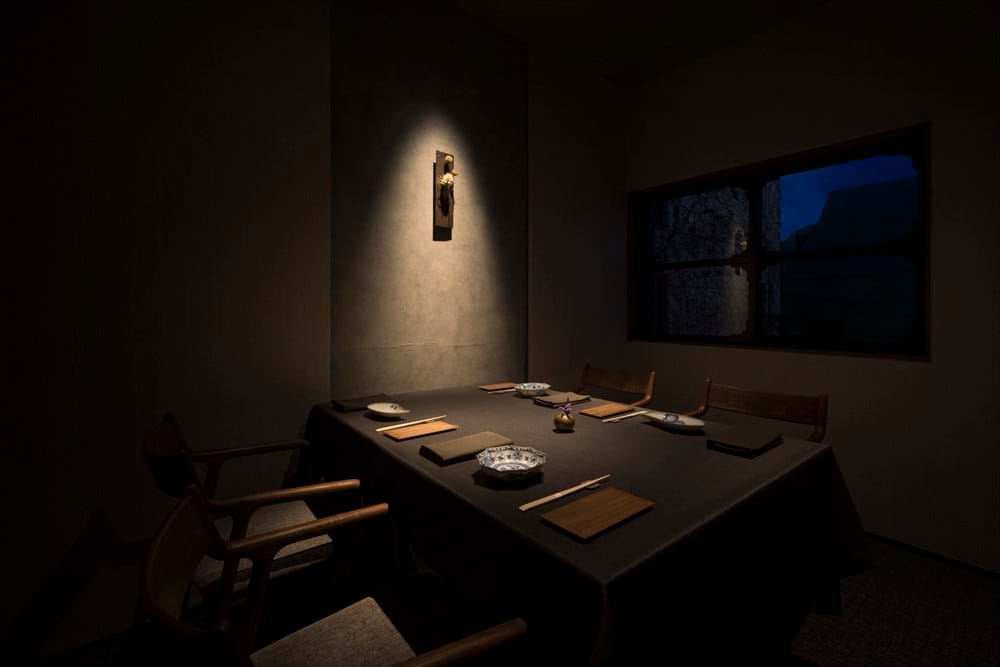
The six-seat private room upstairs at Sazenka, Tomoya Kawada's Chinese restaurant with three Michelin stars, in a converted embassy residence in Minami-Azabu.
The private salon at L'Osier
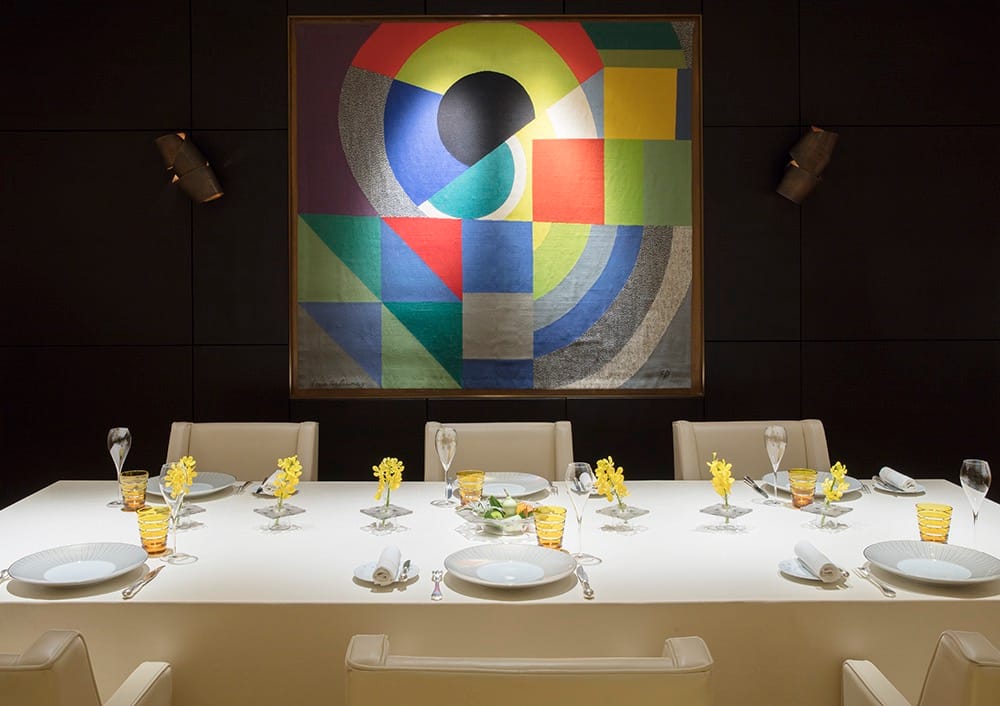
The one private salon at L'Osier, Shiseido's French restaurant in Ginza, seating up to 10 under an Aubusson tapestry by Sonia Delaunay, served by a kitchen with three Michelin stars.
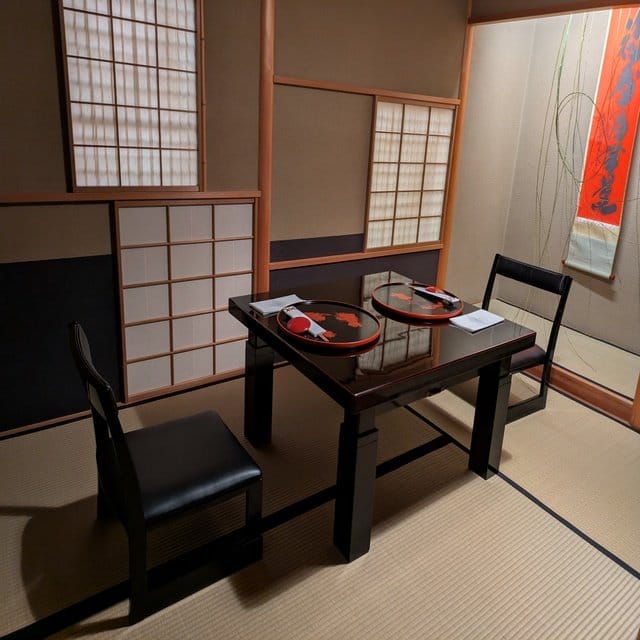
The upstairs tatami rooms at Akasaka Kikunoi
Four tatami rooms, a tea room among them, on the upper floor of Akasaka Kikunoi, Yoshihiro Murata's kaiseki house with two Michelin stars, for 3 to 20 guests at dinner.
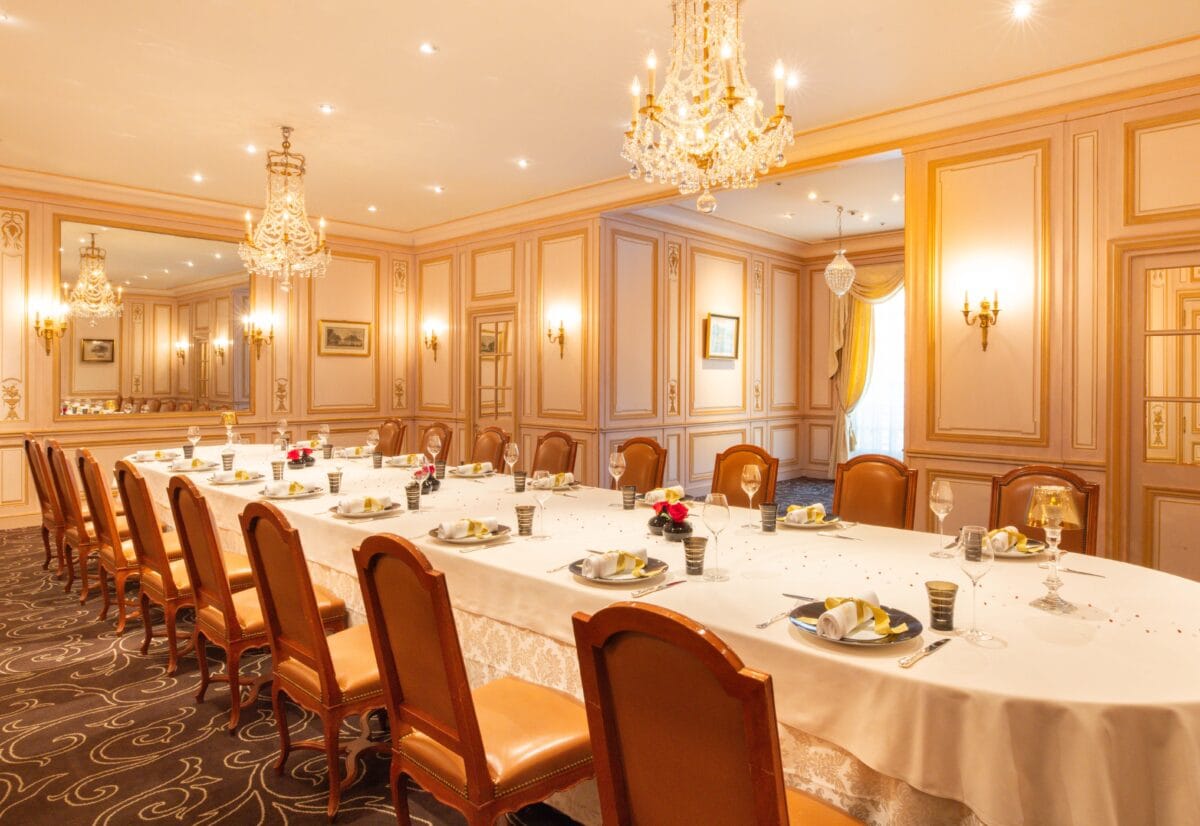
The Versailles salon at Joël Robuchon
The largest of three private salons on the top floor of Joël Robuchon's château in Yebisu Garden Place, seating up to 12, served by a kitchen with three Michelin stars.
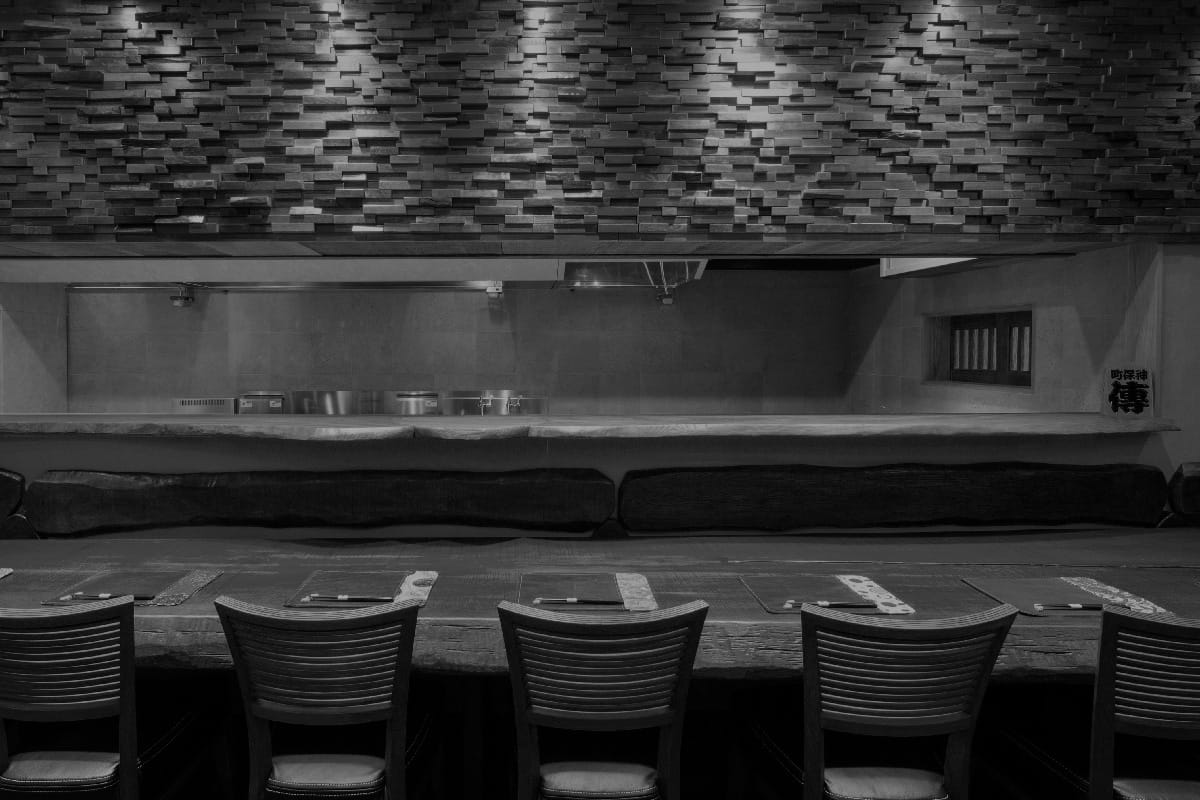
Den
Zaiyu Hasegawa's Japanese restaurant in Jingumae, with two Michelin stars, open for dinner only and booked by telephone for up to four.
Arrive
Arriving in Tokyo by private jet or commercial flight
Getting in and out without a queue: by private jet, on a commercial flight, by car or by train.
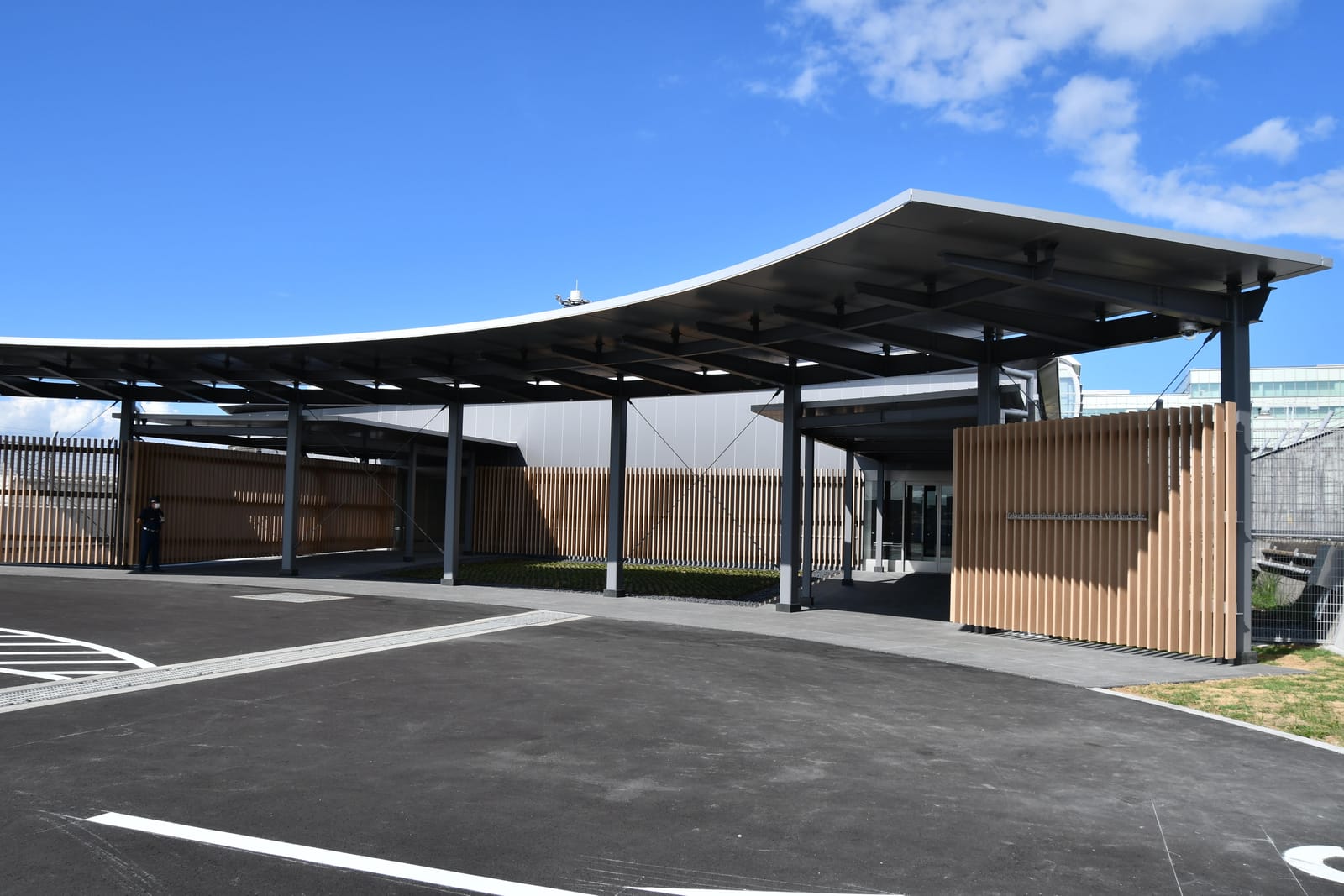
The Business Aviation Gate at Haneda
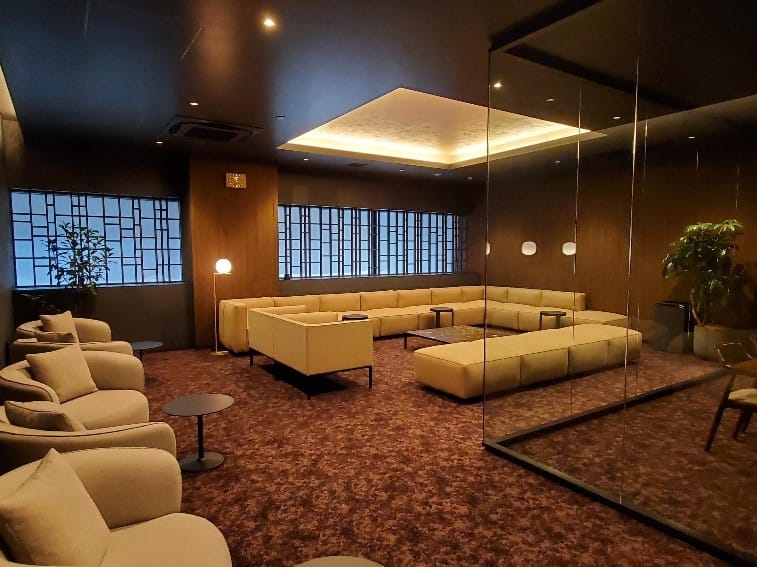
The private jet gate at Haneda's Terminal 3, with its own lounge, security check, customs and immigration, driveway and parking, open 24 hours.
The helicopter transfer to Narita with AirX
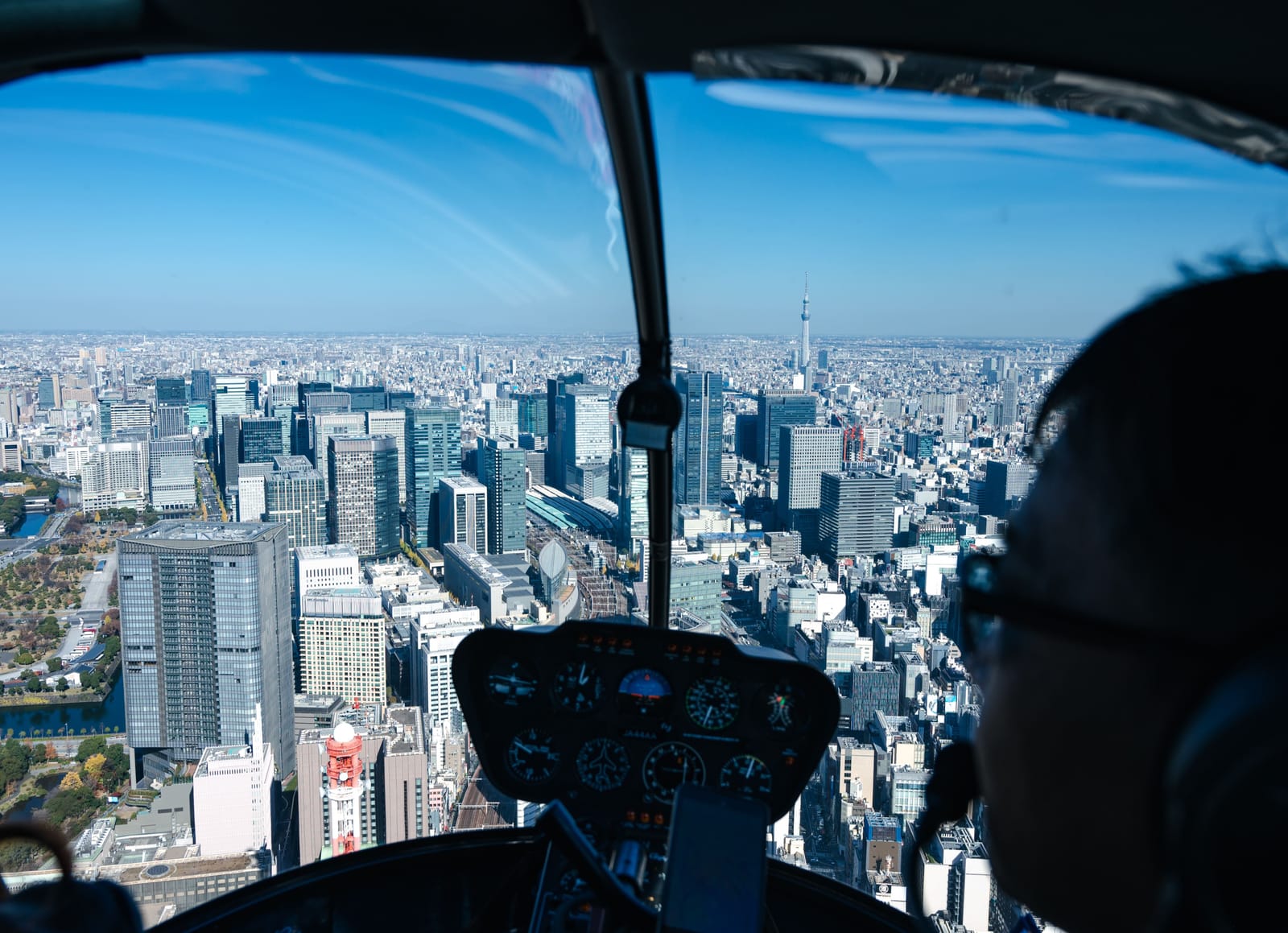
A private helicopter from the Tokyo Heliport in Shinkiba to the helipad at Shisui in about 20 minutes, then a car to Narita Airport in about 15 more.
The international escort service at Haneda
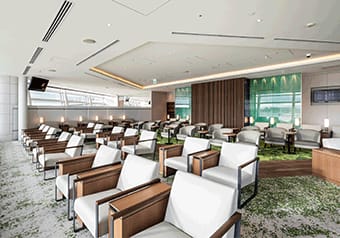
Haneda's own meet-and-assist for international flights at Terminals 3 and 2: a member of staff meets you and stays with you through check-in, security and to the gate, with the TIAT Lounge on departure.
The Premier Gate at Narita
Narita airport's own terminal for business jets, with private customs, immigration and quarantine, two lounges, a meeting room and 18 aircraft stands.
The Supreme Class Cabin on the Tokaido Shinkansen
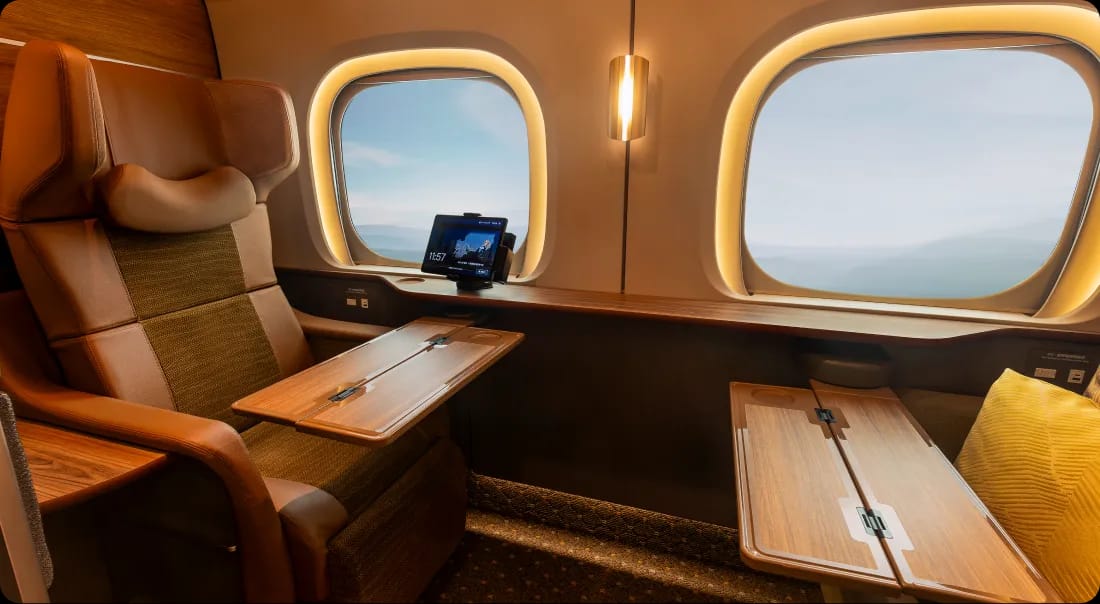
A private compartment behind its own locking door on selected Shinkansen trains from Tokyo to Kyoto, Osaka and Hakata, for two guests in Car 7 or one in Car 10, from 1 October 2026.
Access
What is not on the public calendar: before opening, after closing, by appointment.
The autumn gagaku concert at the Imperial Palace
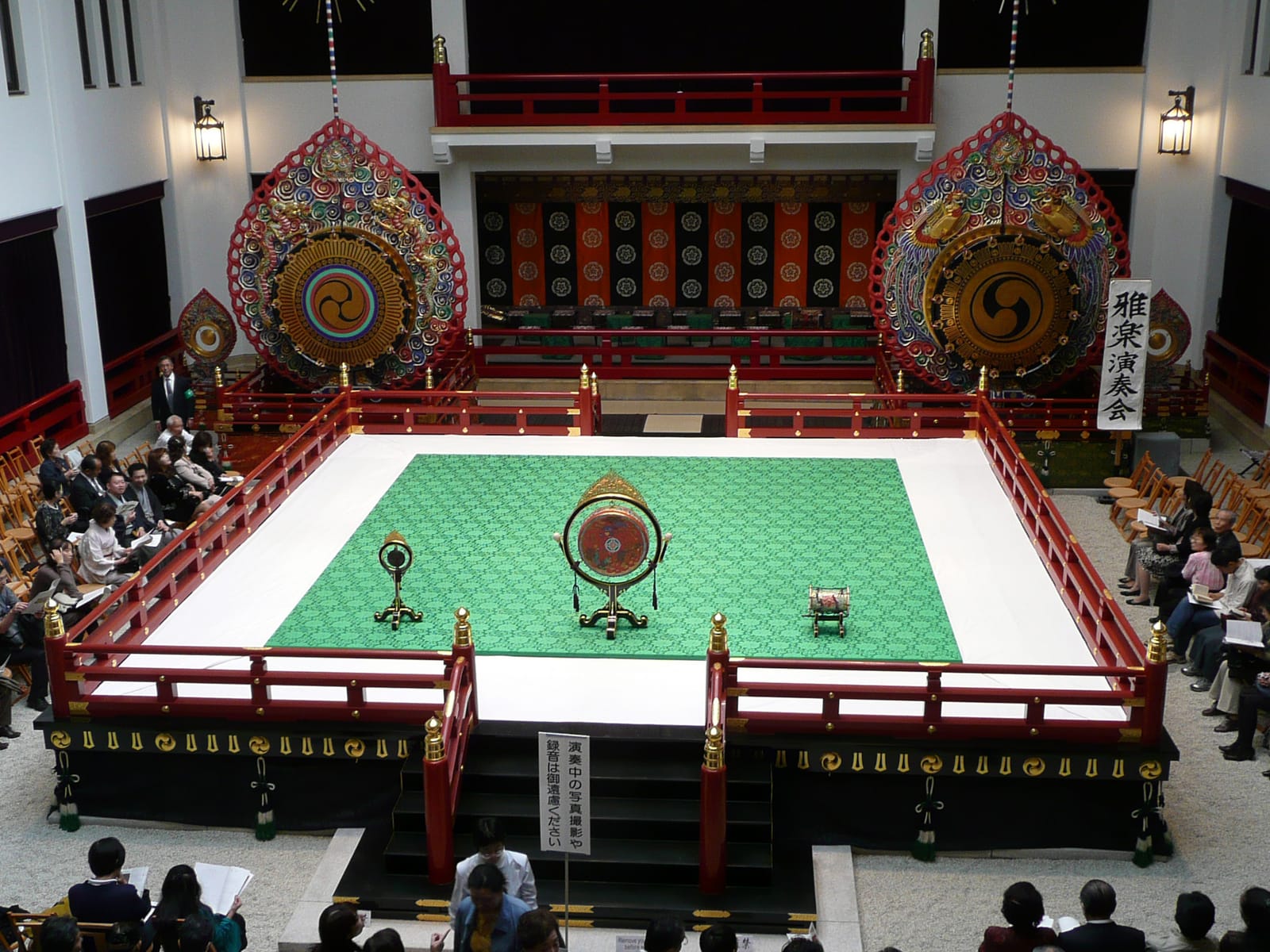
The Imperial court orchestra's autumn concert of gagaku music and dance, six performances of about 90 minutes for 300 guests each in its own hall inside the Imperial Palace, with seats given by lottery.
The bonsai class at Shunkaen
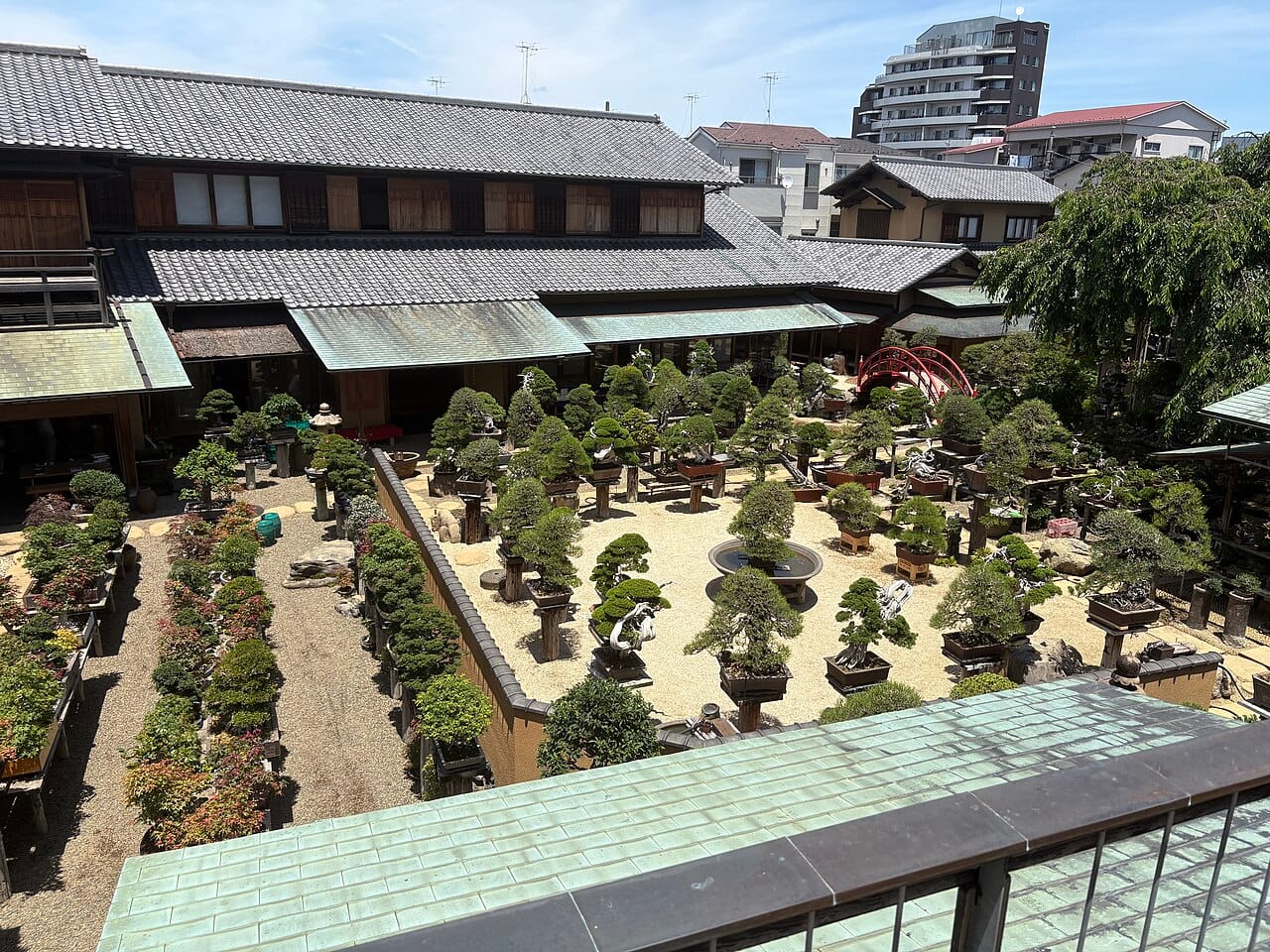
A one-hour bonsai class, booked ahead, at Kunio Kobayashi's garden and museum in Edogawa: a short lecture on the basics, then a tree of your own to make.
The guided tour of the Imperial Palace grounds
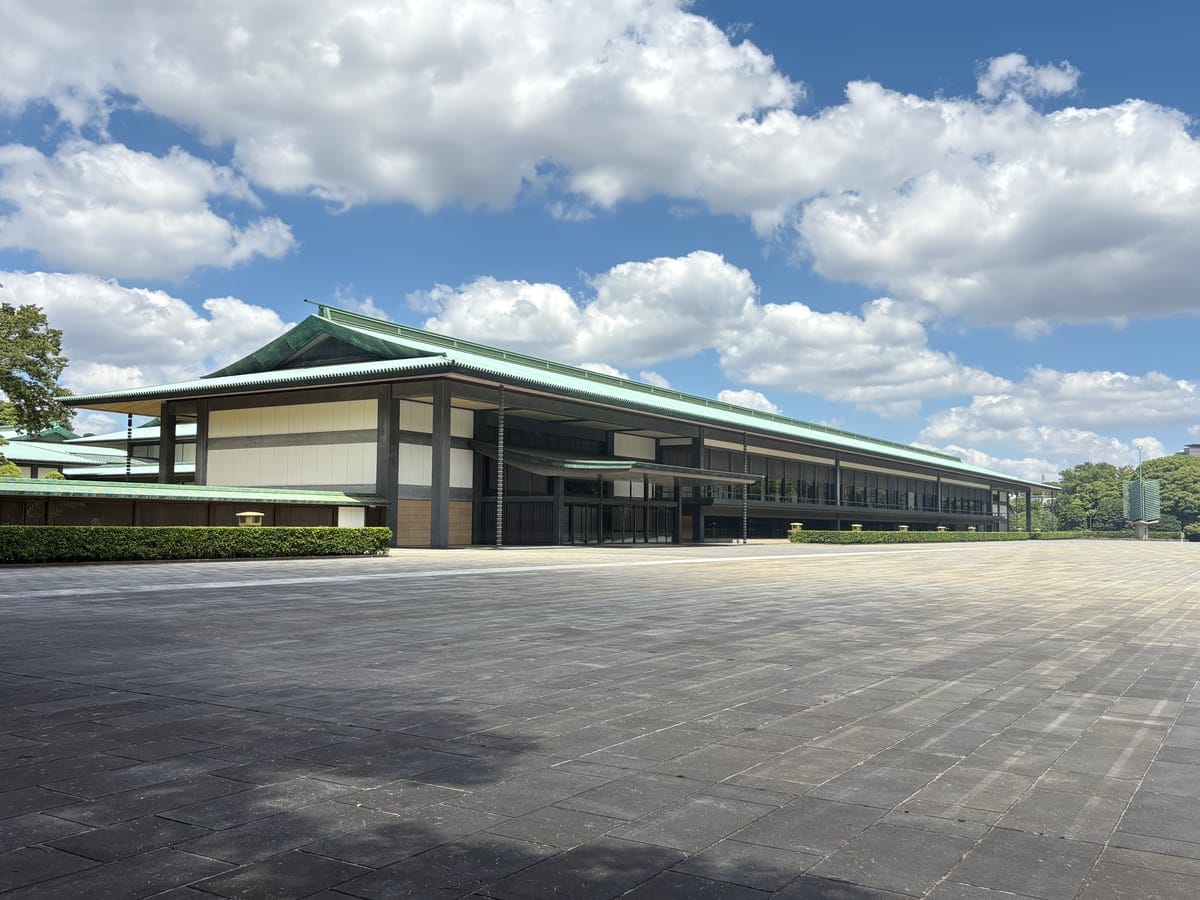
A one-hour, 2.2 km walk led by the Imperial Household Agency inside the palace walls, past the Fujimi-yagura keep and the Kyuden and over Nijubashi, on a permit applied for in advance.
The Rokusoan teahouse at the Tokyo National Museum
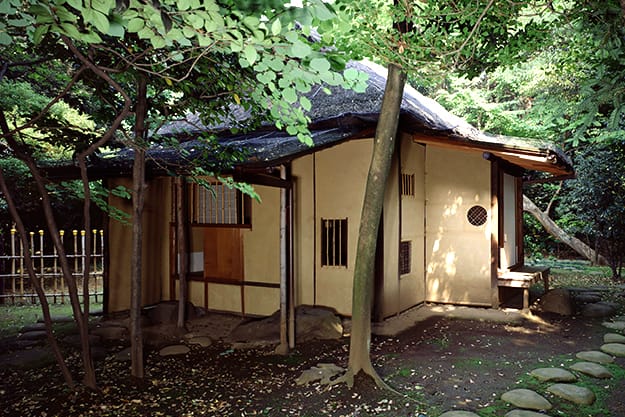
A thatched mid-17th-century teahouse from Kofukuji in Nara, in the museum's north garden, let by the day for a private tea gathering of 5 to 10.
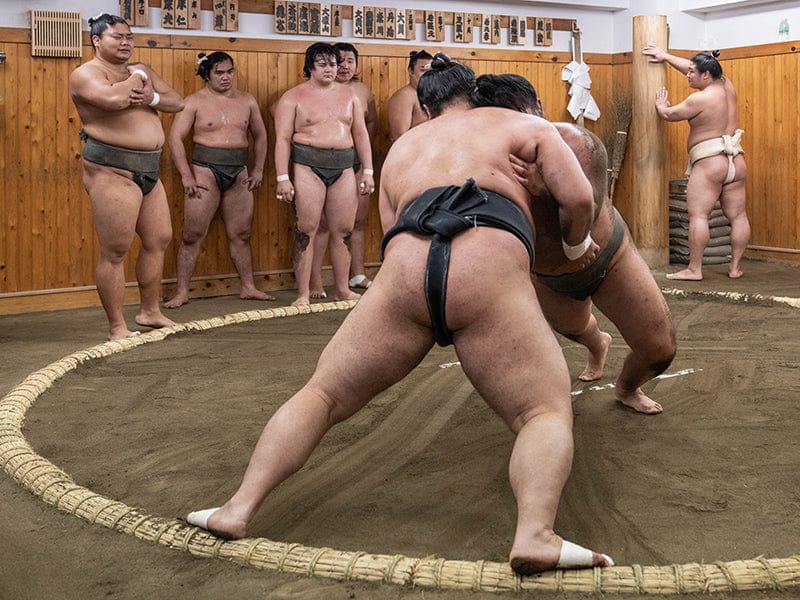
The seated morning practice at Arashio stable
A seat inside Arashio stable's practice room for the wrestlers' morning training, for at most six guests with an official guide from the Chuo City Tourism Association.
Care
Private doctors and discreet services in Tokyo
Discreet services on short notice.
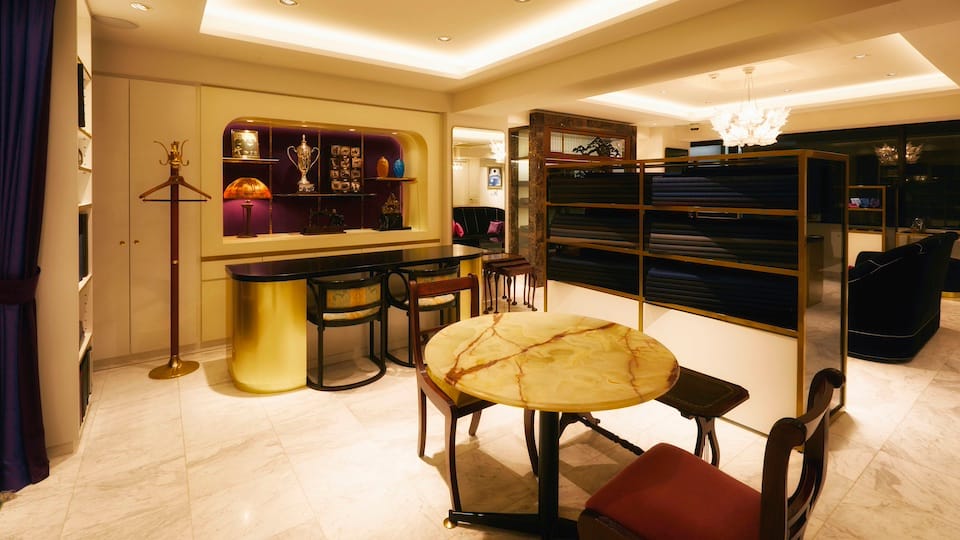
A bespoke suit from Ginza Tailor
A full bespoke suit cut and sewn by hand, start to finish by one craftsman, at the Ginza house that has tailored since 1935.
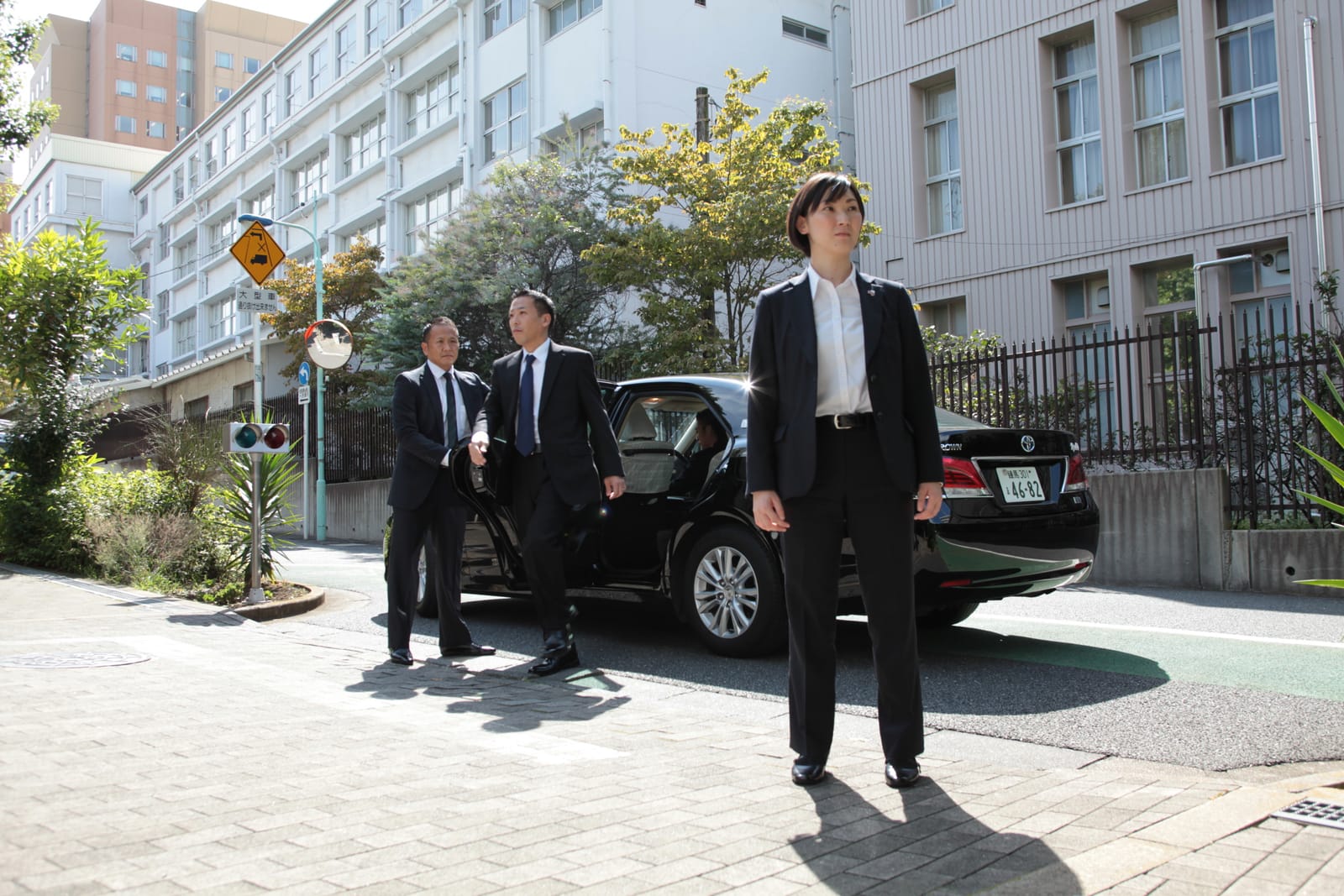
A close-protection team from SECOM Jastic
A two-person close-protection team from the SECOM group, one guard at your side and in the car, the other sent ahead to each stop, anywhere in Japan.
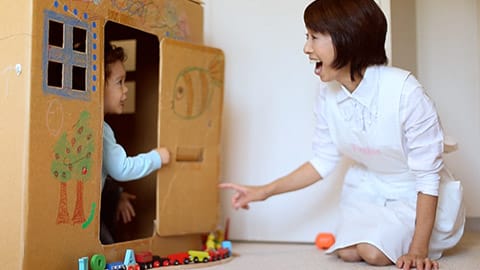
An English-speaking nanny from Poppins
A nanny from Poppins, the agency that first trained nannies in Japan, sent anywhere in Tokyo around the clock, on the same day if need be, with English on request.
An interpreter from Simul International
A Japanese and English interpreter from Simul International, the Ginza firm that has interpreted at summits since 1975, beside you for a meeting, a negotiation or a site visit.
The out-of-hours line at Tokyo Medical and Surgical Clinic
A line open 365 days a year that puts you through to a doctor of Tokyo Medical and Surgical Clinic, an international clinic opposite Tokyo Tower founded in 1951, when the clinic is closed.
Around
A day outside the city: Kyoto, Hakone and Mount Fuji, the coast.
Enoura Observatory
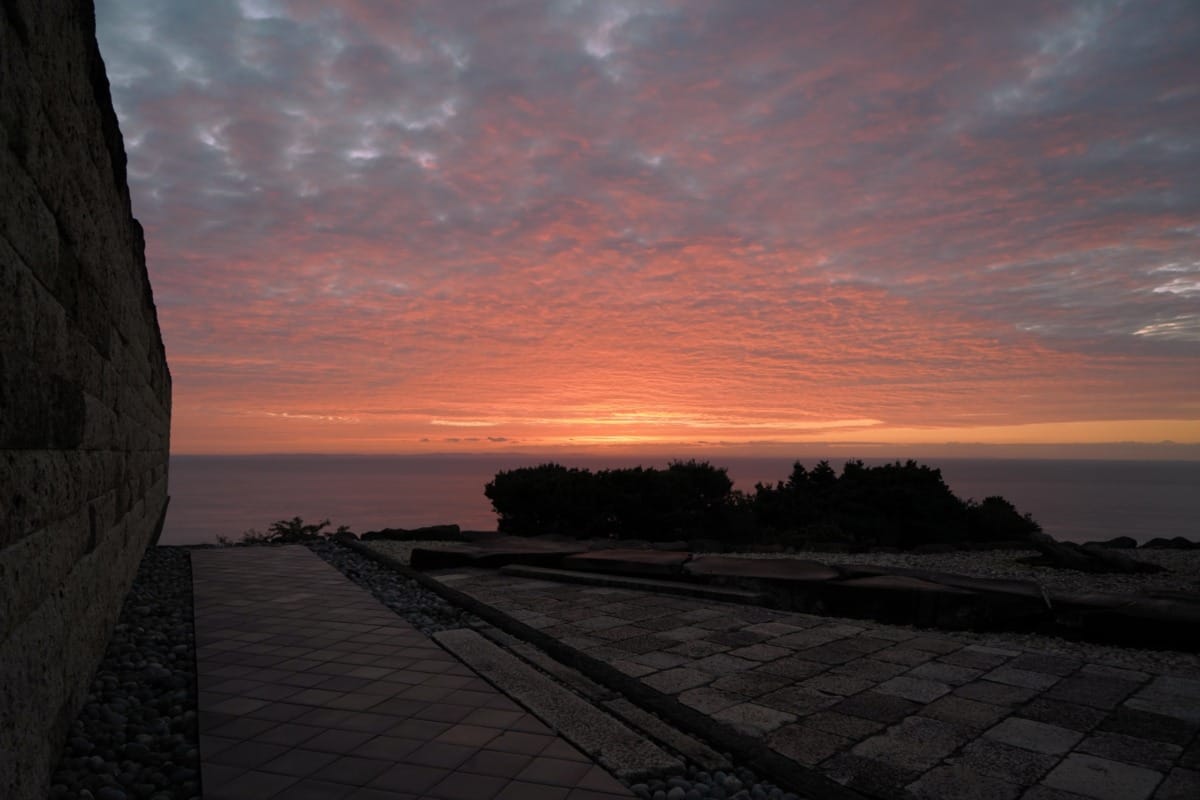
Hiroshi Sugimoto's gallery, noh stage, tea room and gardens on a citrus hillside above Sagami Bay, 35 minutes from Tokyo by Shinkansen, open to a limited number of visitors per session.
Nikkō Tōshō-gū
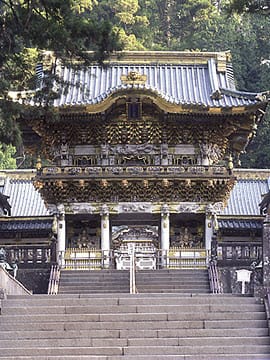
The shrine to Tokugawa Ieyasu in the cedar forest at Nikko, rebuilt in 1636 and a UNESCO World Heritage Site, about 1 hour 50 minutes from Asakusa by Tobu limited express.
The Fuji Course at Kawana Hotel
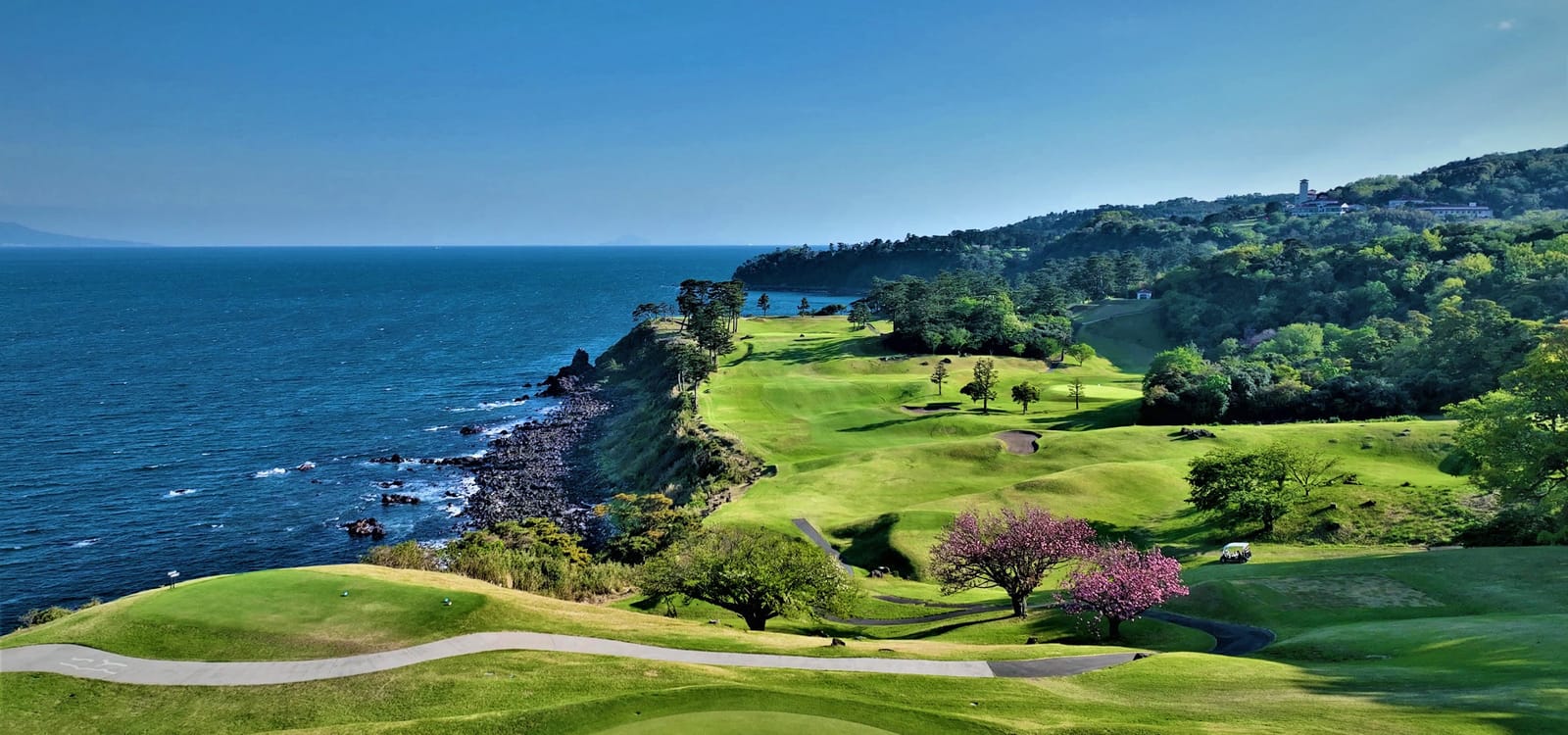
An 18-hole, par-72 course of 6,701 yards laid out by C.H. Alison in 1936 on the cliffs of the Izu coast, with Mount Fuji across Sagami Bay.
The Hakone Open-Air Museum
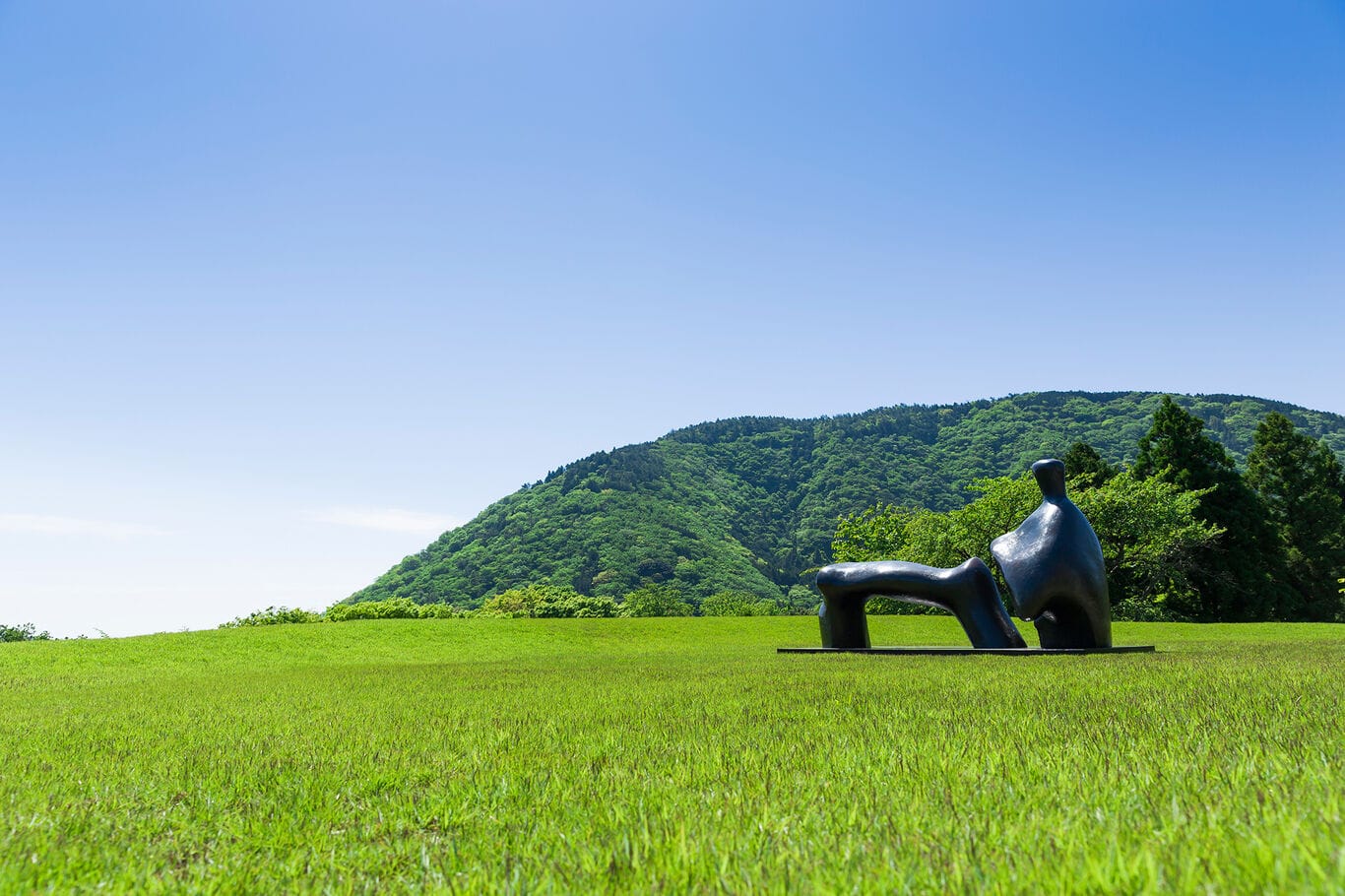
Japan's first open-air sculpture museum, opened in 1969: about 120 modern and contemporary sculptures on 70,000 m² of hillside in Hakone, with a pavilion for Picasso.
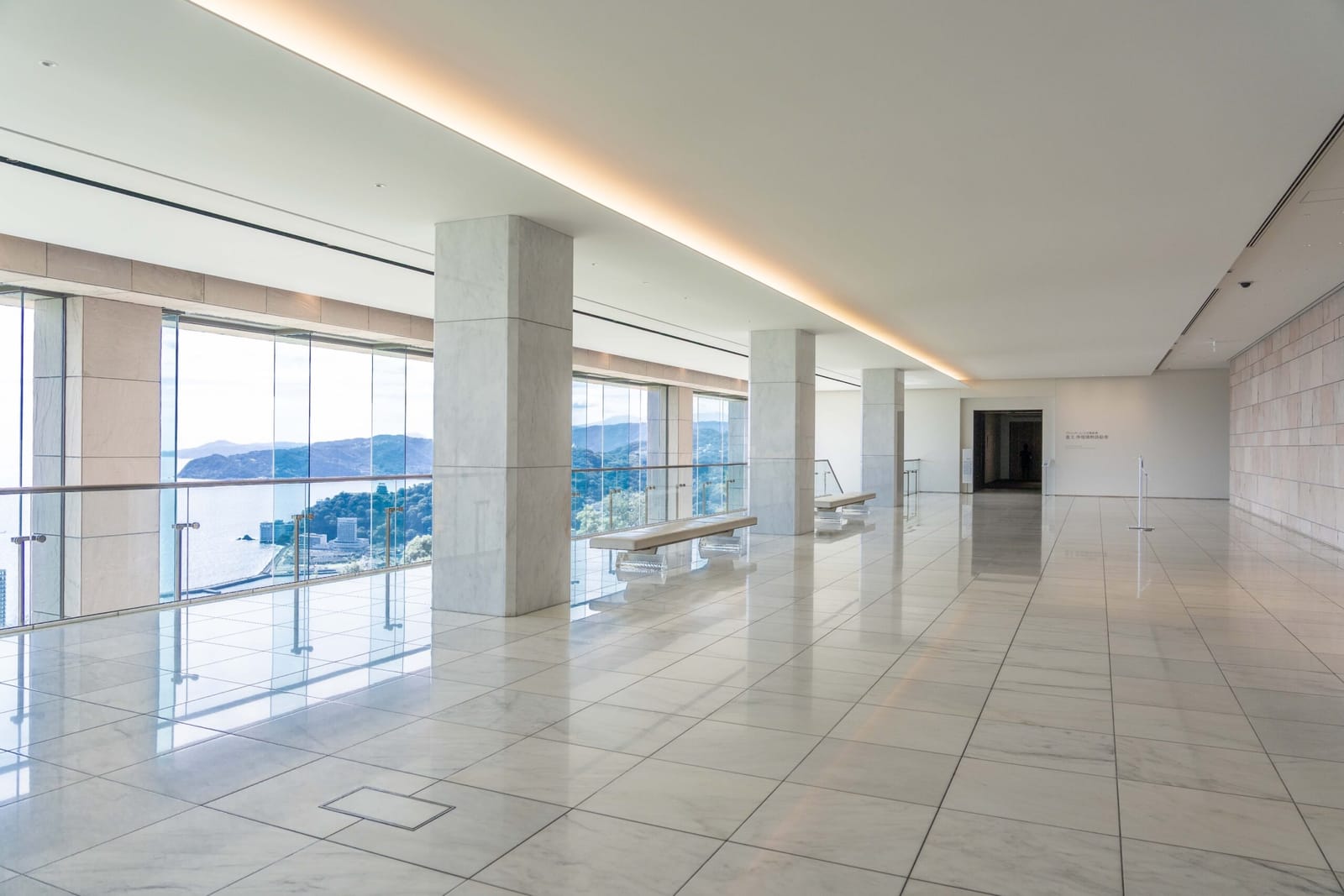
The MOA Museum of Art in Atami
A museum on a hill 270 m above Atami Bay holding three National Treasures, among them Ogata Kōrin's Red and White Plum Blossoms screens, in galleries redesigned by Hiroshi Sugimoto's studio.